Call or text (408) 561-8431 Book Your Session

Free Tool — Youth Recovery Cards

Cheer and Youth Athlete Recovery Cards

Six printable cards with warm-up and cool-down lists, hydration and sleep reminders, and a Tell a Coach or Parent list. General information for healthy young athletes, with sources.

  • Free
  • No Sign-Up
  • Printable

Start Here

Updated October 24, 2026 · Free to use · Bookmark it

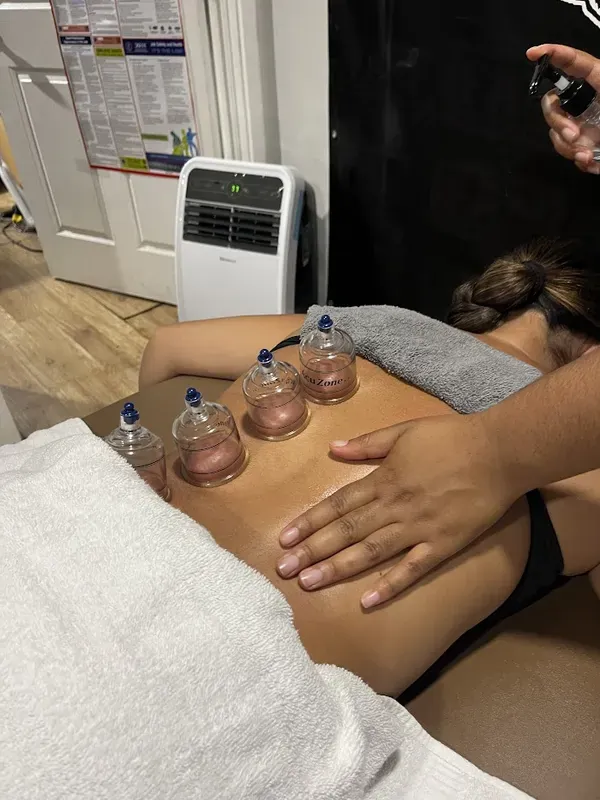
Glass cups on a client's back during a cupping session while Maya Sharpe rests a hand on the lower back
Free Printable Cards

Pick a Sport and Print the Card

Each card lists a warm-up, a cool-down, a water reminder, a sleep reminder and when to tell a coach or parent. Print one card or all six, four to a page.

General information for healthy young athletes. A pediatrician, athletic trainer or coach has the final say. Return to play after any injury or concussion is the decision of a licensed health care professional.

This page does not offer or suggest massage, cupping, scraping or any hands-on care for children.

Show Cards For
Print Layout

Showing all 6 cards.

Recovery Card

Cheer and Tumbling

Stick figure in a high V cheer pose with pom-poms. Red dots mark the wrist, shoulder, neck and ankle.

Warm-Up

  1. Light jog or brisk walk, about 5 minutes
  2. Knee hugs
  3. Toy soldiers
  4. Inchworms
  5. World's greatest stretch
  6. Lunge walks with a rotation
  7. Circular arm motions
  8. Overhead arm lunges

Cool-Down

  1. Easy walk, about 5 minutes
  2. Quadriceps stretch
  3. Hamstring stretch
  4. Calf stretch
  5. Straddle stretch
  6. Wrist flexion and extension stretches

Hold each stretch 20 to 30 seconds. Stop at gentle tension, not pain.

Water. Drink before, during and after practice and games. Do not wait for thirst. On hot, humid days, take every rest and water break.

Sleep. Ages 6 to 12: 9 to 12 hours per 24 hours. Ages 13 to 18: 8 to 10 hours per 24 hours.

Tell a Coach or Parent

  • Sharp pain. Stop the activity if it hurts.
  • Swelling
  • Pain after a fall or a hit
  • Dizziness
  • A headache after any hit to the head, or not feeling right after a bump, blow or jolt
  • Numbness or tingling
  • Feeling unwell in the heat: faint, weak, cramping or sick to the stomach
  • Neck or back pain after a fall or a hit: tell an adult right away. Adults call 9-1-1 and do not move the athlete.

Common Problem Spots

  • Wrists
  • Shoulders
  • Ankles
  • Head and neck

This sport. Skip a stunt when tired, hurt or sick. Use mats at practice.

A licensed health care professional decides return to play after any injury or concussion.

Sources: S1 S10 S11 S13
Recovery Card

Football

Stick figure in a football ready stance wearing a helmet. Red dots mark the neck, shoulder, knee and ankle.

Warm-Up

  1. Jumping jacks
  2. High skips
  3. High knees
  4. Butt kicks
  5. Straight-leg march
  6. Carioca
  7. Lateral shuffle
  8. Back pedal

Cool-Down

  1. Easy walk, about 5 minutes
  2. Quadriceps stretch
  3. Hamstring stretch
  4. Calf stretch, knee bent and knee straight
  5. Hip flexor stretch
  6. Groin (hip adductor) stretch

Hold each stretch 20 to 30 seconds. Stop at gentle tension, not pain.

Water. Drink before, during and after practice and games. Do not wait for thirst. On hot, humid days, take every rest and water break.

Sleep. Ages 6 to 12: 9 to 12 hours per 24 hours. Ages 13 to 18: 8 to 10 hours per 24 hours.

Tell a Coach or Parent

  • Sharp pain. Stop the activity if it hurts.
  • Swelling
  • Pain after a fall or a hit
  • Dizziness
  • A headache after any hit to the head, or not feeling right after a bump, blow or jolt
  • Numbness or tingling
  • Feeling unwell in the heat: faint, weak, cramping or sick to the stomach

Common Problem Spots

  • Knees
  • Ankles
  • Shoulders
  • Head and neck

This sport. Tackle with the head up and lead with the shoulder. Pads and helmets add heat, so speak up early.

A licensed health care professional decides return to play after any injury or concussion.

Sources: S2 S10 S12 S22

Recovery Card

Baseball and Softball

Stick figure in a throwing pose holding a ball. Red dots mark the shoulder, elbow and back.

Warm-Up

  1. Light jog, about 5 minutes
  2. Arm circles
  3. High knees
  4. Butt kicks
  5. Lunge walks with a rotation
  6. Leg swings with a toe touch
  7. Carioca
  8. Short, easy tosses first, then longer throws step by step

Cool-Down

  1. Easy walk, about 5 minutes
  2. Quadriceps stretch
  3. Hamstring stretch
  4. Calf stretch
  5. Cross-body shoulder stretch
  6. Corner or doorway chest stretch

Hold each stretch 20 to 30 seconds. Stop at gentle tension, not pain.

Water. Drink before, during and after practice and games. Do not wait for thirst. On hot, humid days, take every rest and water break.

Sleep. Ages 6 to 12: 9 to 12 hours per 24 hours. Ages 13 to 18: 8 to 10 hours per 24 hours.

Tell a Coach or Parent

  • Sharp pain. Stop the activity if it hurts.
  • Swelling
  • Pain after a fall or a hit
  • Dizziness
  • A headache after any hit to the head, or not feeling right after a bump, blow or jolt
  • Numbness or tingling
  • Feeling unwell in the heat: faint, weak, cramping or sick to the stomach

Common Problem Spots

  • Shoulder
  • Elbow
  • Back
  • Forearm and wrist
  • Hand

This sport. Never throw or pitch with pain. Slower or less accurate throws mean stop throwing for the day. Follow the league's pitch-count rules.

A licensed health care professional decides return to play after any injury or concussion.

Sources: S3 S4 S10 S12

Recovery Card

Soccer

Stick figure kicking a ball. Red dots mark the groin, thigh, knee and ankle.

Warm-Up

  1. Light jog
  2. Walking lunges
  3. Hip swings
  4. Trunk rotations
  5. Arm circles
  6. Running, hip out
  7. Running, hip in
  8. Ball work and short passes, building to game speed

Cool-Down

  1. Easy walk, about 5 minutes
  2. Calf stretch
  3. Quadriceps stretch
  4. Figure-four hamstring stretch
  5. Inner-thigh stretch
  6. Hip flexor stretch

Hold each stretch 20 to 30 seconds. Stop at gentle tension, not pain.

Water. Drink before, during and after practice and games. Do not wait for thirst. On hot, humid days, take every rest and water break.

Sleep. Ages 6 to 12: 9 to 12 hours per 24 hours. Ages 13 to 18: 8 to 10 hours per 24 hours.

Tell a Coach or Parent

  • Sharp pain. Stop the activity if it hurts.
  • Swelling
  • Pain after a fall or a hit
  • Dizziness
  • A headache after any hit to the head, or not feeling right after a bump, blow or jolt
  • Numbness or tingling
  • Feeling unwell in the heat: faint, weak, cramping or sick to the stomach
  • Neck or back pain after a fall or a hit: tell an adult right away. Adults call 9-1-1 and do not move the athlete.

Common Problem Spots

  • Ankle and foot
  • Knee
  • Hamstring, thigh and calf
  • Groin
  • Wrist and hand
  • Shoulder

This sport. US Youth Soccer policy: players 10 and younger do not head the ball in practice or games. Ask your league for its rules.

A licensed health care professional decides return to play after any injury or concussion.

Sources: S5 S8 S9 S10

Recovery Card

Basketball

Stick figure jumping with a ball above the head. Red dots mark the fingers, thigh, knee and ankle.

Warm-Up

  1. Light jog, line to line
  2. Shuttle run, side to side
  3. Backward running
  4. Walking lunges
  5. High knees
  6. Butt kicks
  7. Side shuffle with a side-lunge stretch
  8. Single-leg balance

Cool-Down

  1. Easy walk, about 5 minutes
  2. Calf stretch
  3. Quadriceps stretch
  4. Figure-four hamstring stretch
  5. Inner-thigh stretch
  6. Glute stretch

Hold each stretch 20 to 30 seconds. Stop at gentle tension, not pain.

Water. Drink before, during and after practice and games. Do not wait for thirst. On hot, humid days, take every rest and water break.

Sleep. Ages 6 to 12: 9 to 12 hours per 24 hours. Ages 13 to 18: 8 to 10 hours per 24 hours.

Tell a Coach or Parent

  • Sharp pain. Stop the activity if it hurts.
  • Swelling
  • Pain after a fall or a hit
  • Dizziness
  • A headache after any hit to the head, or not feeling right after a bump, blow or jolt
  • Numbness or tingling
  • Feeling unwell in the heat: faint, weak, cramping or sick to the stomach

Common Problem Spots

  • Ankles
  • Thighs
  • Fingers
  • Knees
  • Feet

This sport. Ask your coach or athletic trainer about an ACL injury prevention program in the team warm-up.

A licensed health care professional decides return to play after any injury or concussion.

Sources: S6 S9 S10

Recovery Card

Track and Cross Country

Stick figure running. Red dots mark the hip, knee, shin and foot.

Warm-Up

  1. Light jog, about 5 minutes
  2. Leg swings with a toe touch
  3. Calf raises
  4. Lunge walks
  5. High knees
  6. Butt kicks
  7. High skips
  8. Carioca

Cool-Down

  1. Easy walk or jog, about 5 minutes
  2. Calf stretch, knee bent and knee straight
  3. Quadriceps stretch
  4. Hamstring stretch
  5. Hip flexor stretch
  6. Glute stretch

Hold each stretch 20 to 30 seconds. Stop at gentle tension, not pain.

Water. Drink before, during and after practice and games. Do not wait for thirst. On hot, humid days, take every rest and water break.

Sleep. Ages 6 to 12: 9 to 12 hours per 24 hours. Ages 13 to 18: 8 to 10 hours per 24 hours.

Tell a Coach or Parent

  • Sharp pain. Stop the activity if it hurts.
  • Swelling
  • Pain after a fall or a hit
  • Dizziness
  • A headache after any hit to the head, or not feeling right after a bump, blow or jolt
  • Numbness or tingling
  • Feeling unwell in the heat: faint, weak, cramping or sick to the stomach

Common Problem Spots

  • Knees
  • Shins and calves
  • Feet and ankles
  • Hips and pelvis

This sport. Speed up slowly. Pushing through pain keeps a runner out longer, so stop and tell an adult.

A licensed health care professional decides return to play after any injury or concussion.

Sources: S7 S10 S12

Using the Cards

How to Use These Cards

  1. Pick a sport, or leave All Sports on.
  2. Choose Four Per Page to cut apart, or One Per Page for a larger card.
  3. Press Print Cards. Pick Letter paper and turn off headers and footers.
  4. Ask the coach or athletic trainer to show each move. The cards list names only.
  5. Keep the card in the gear bag and hand a copy to a parent.

The printout carries only a small footer with the studio name, town and website: Athletic Bodies Revamped, Richmond Hill, GA, athleticmassagetherapist.com.

Warm-up comes before practice and cool-down comes after. MUSC Health lists dynamic moves for the warm-up and puts static stretching after exercise. Static stretches stay at gentle tension, held 20 to 30 seconds.

The soreness strip on each card names where young athletes in that sport commonly get hurt, taken from the injury lists in the sources. It is a list of places to watch, not a list of problems this athlete has.

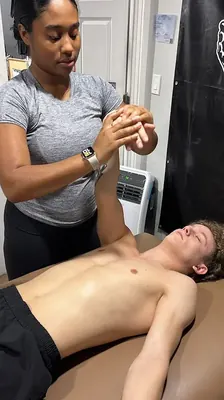
Maya Sharpe stretching a client's arm during a table session
Recovery work for adult athletes.
Behind the Lists

Where Each List Comes From

Every move name appears in at least one source. No source publishes one card per sport, so each card combines moves from the sources shown. Source numbers match the links under Sources and Methodology.

CardWarm-Up Moves FromCool-Down Moves FromProblem Spots From
Cheer and TumblingS10 MUSC Health, S11 Hospital for Special SurgeryS10, S11S1 AOSSM STOP
FootballS12 USA Football, S10S10S2 AOSSM STOP
Baseball and SoftballS3, S4 AOSSM STOP, S10, S12S10S3, S4
SoccerS5 AOSSM STOP, S8 FIFA 11+ trialS9 PEP Program, S10S5
BasketballS9 PEP Program, S10S9, S10S6 AOSSM STOP
Track and Cross CountryS10, S12, S7 AOSSM STOPS10S7

Water lines come from the American Academy of Pediatrics (S20) and the NFHS hydration statement (S22). Sleep lines come from the American Academy of Sleep Medicine consensus (S18), endorsed by the American Academy of Pediatrics. The Tell a Coach or Parent list draws on S14 to S17 and S20.

For Parents and Guardians

Parent and Guardian Panel

Four short topics from CDC, the American Academy of Pediatrics, the American Academy of Sleep Medicine and the NFHS. Open each one.

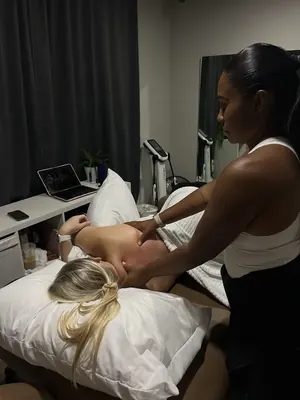
Maya Sharpe working on a client's shoulder and upper back in her studio
Heat Illness Basics

The NFHS calls exertional heatstroke the leading cause of preventable death in high school athletics (S23). Know the signs and act early.

  • Warning signs listed by the American Academy of Pediatrics: muscle cramps, dizziness, headache, nausea or vomiting, heavy sweating or cold and clammy skin, drowsiness or confusion, loss of coordination (S14).
  • Stop playing and ask an adult for help when these signs appear. Heat stroke is a medical emergency (S14).
  • CDC: an athlete who feels faint or weak stops all activity and moves to a cool place. Get medical care right away for any teammate with heat illness symptoms (S15).
  • At the start of a season or in a warmer place, build outdoor time slowly over 7 to 14 days (S14).
  • Ask the coach what heat safety steps are in place (S14).
  • Some health conditions raise heat risk. Ask the pediatrician for a plan that fits the child (S14).
Sleep for Young Athletes

The American Academy of Sleep Medicine consensus statement lists these totals per 24 hours "on a regular basis to promote optimal health." The American Academy of Pediatrics endorses it (S18, S19).

  • Ages 6 to 12: 9 to 12 hours.
  • Ages 13 to 18: 8 to 10 hours.
  • The hours are totals for a full day (S19).
  • The AAP says kids need plenty of rest each night to recover from athletic activity (S21).
Concussion Reminder From CDC HEADS UP

After a bump, blow or jolt to the head or body, an athlete who shows or reports any sign, or who says they do not feel right, is out of play (S16, S17).

  • Signs adults see: seems confused, forgets an instruction, moves clumsily, answers slowly, cannot remember events around the hit, behavior changes (S17).
  • Symptoms athletes report: headache, nausea or vomiting, dizziness or balance problems, bothered by light or noise, feeling foggy, trouble concentrating (S17).
  • Call 9-1-1 for a headache that gets worse and does not go away, repeated vomiting, unusual behavior or increasing confusion, drowsiness or inability to wake up, slurred speech, weakness, numbness, decreased coordination, seizures, or loss of consciousness (S16, S17).
  • Keep the athlete out of play on the day of the injury and until a health care provider clears the return (S17, S24).
  • Only a health care provider decides when it is safe to return (S17).
A Plain Note on These Cards

These cards are general information for healthy young athletes. A pediatrician, athletic trainer or coach has the final say. For a child with a health condition, a current injury or a recent illness, ask a pediatrician before using these lists. The cards do not diagnose, do not clear anyone to play and do not replace a coach.

Cheer and Tumbling

For Parents of Cheer and Tumbling Athletes

The American Academy of Pediatrics policy statement on cheerleading (S13) and the AOSSM STOP tip sheet (S1) list these points for families.

  • A qualified coach trained and certified in spotting, safety measures and basic injury management supervises the squad (S13).
  • The athlete has a pre-participation physical exam before cheering (S13).
  • Stunts start only after the athlete shows the needed skill progression (S13).
  • Tumbling and stunts stay off hard, wet or uneven surfaces (S13).
  • Mats are used during practice and, as much as possible, at competitions (S1).
  • The athlete skips a stunt when tired, injured or ill (S1).
  • The coaches, parents and athletes have a written emergency plan (S13).
  • Conditioning covers strength for the lower back, stomach and shoulders, plus regular stretching (S1).
  • Any cheerleader with signs of a head injury leaves practice or competition and returns only with written clearance from a physician or qualified health care provider (S13).
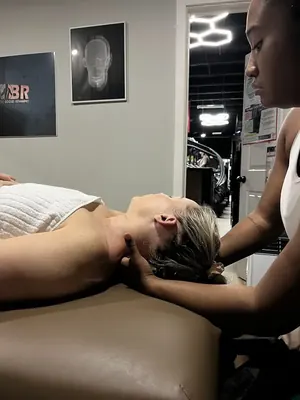
Maya Sharpe performing a neck release on a client lying face-up
Recovery work for adult athletes.
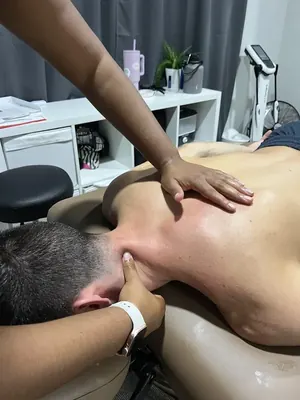
Hands working a client's neck and upper back
What This Page Is

What These Cards Do and Do Not Do

  • They collect warm-up and cool-down moves, water and sleep reminders and warning signs from the sources listed below.
  • They do not diagnose an injury, clear an athlete to play or set a training plan.
  • Heat rules for member high schools come from the Georgia High School Association and the South Carolina High School League. Youth leagues follow their own rules, so ask the league (S25, S26).
  • The photos on this page show adult sessions at the studio. Athletic Bodies Revamped, in Richmond Hill, GA, publishes this page, and Maya Sharpe, LMT, coaches cheerleading.

The coach side of this set is the Coach's Team Recovery Plan Template. It builds a one-page plan for practice weeks, tournament days and travel.

How We Built This

Sources and Methodology

Last updated October 24, 2026.

Educational Information Only. This page gives general information for healthy young athletes and the adults who support them. It does not diagnose, treat or replace advice from a pediatrician, athletic trainer, coach or other licensed professional. Return to play after an injury or a head hit is a decision for a licensed health care professional. Get medical care right away for chest pain, fainting, trouble breathing, confusion after a head hit, signs of heat illness, or any symptom that worries you.

Questions About This Tool

Are These Cards Medical Advice?

No. They are general information for healthy young athletes, taken from the sources listed on this page. A pediatrician, athletic trainer or coach has the final say.

Does This Page Recommend Massage for Children?

No. The cards cover warm-up, cool-down, water, sleep and when to tell an adult. This page does not offer or suggest massage, cupping, scraping or any hands-on care for children.

Who Decides When an Athlete Returns to Play?

A licensed health care professional decides after an injury or a concussion. CDC HEADS UP and the NFHS both say to keep the athlete out of play until a health care professional clears the return.

How Much Sleep Does a Young Athlete Need?

The American Academy of Sleep Medicine consensus, endorsed by the American Academy of Pediatrics, lists 9 to 12 hours per 24 hours for ages 6 to 12 and 8 to 10 hours per 24 hours for ages 13 to 18.

How Do I Print Four Cards to a Page?

Choose All Sports and Four Per Page, then press Print Cards. In the print window, pick Letter paper and turn off headers and footers. Pick One Per Page for a larger card.

Where Do the Move Lists Come From?

Each move name appears in at least one source on this page. The table under Where Each List Comes From shows the source number for every card. No source publishes a card for each sport, so the lists combine moves from the sources shown.