
Free Tool — Event Recovery Planner
Plan the Week After Your Race, Game or Hard Event
Pick your event, date and how hard it felt. Get a dated checklist for fluids and food, gentle movement, sleep, soreness checks and when to call a doctor, with a named source on every item.
- Free
- No Sign-Up
- Printable
Updated October 24, 2026 · Free to use · Bookmark it
Pick Your Event, Date and Effort
Day 0 is event day. The plan runs through Day 7. Every item names its source, and items that change with event length carry a tag.
Athletic Bodies Revamped —
Week at a Glance
- F Fluids and Food
- M Walking and Gentle Movement
- Z Sleep
- S Sore-Spot Checks
- A What to Avoid
- D When to Call a Doctor
- R Return to Training
Your Day-By-Day Checklist
Athletic Bodies Revamped · 220 Thunderbird Dr, Richmond Hill, GA 31324 · (408) 561-8431 · athleticmassagetherapist.com
General information only. Not medical advice.
Seven Groups, One Checklist
Each day lists items under up to seven headings: fluids and food, walking and gentle movement, sleep, sore-spot checks, what to avoid, when to call a doctor and return to training. Tick an item when it is done. The progress bar counts ticks, and your browser keeps them until you clear them.
The effort setting changes how many items show. An easy effort shows fewer reminders than a hard or all-out one. The sources cover hard efforts, so an easy effort gets a note saying so.
Sleep targets follow the CDC and the American Academy of Sleep Medicine: 7 or more hours for adults 18 to 60, 9 to 12 hours for ages 6 to 12 and 8 to 10 hours for ages 13 to 18.
The tag Depends on Distance marks items whose advice changes with event length. Check those against your own event.
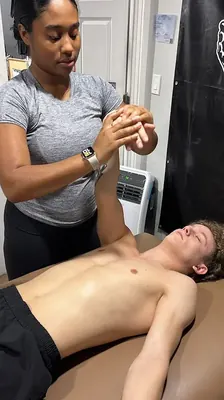
What Massage Guides Say About Timing
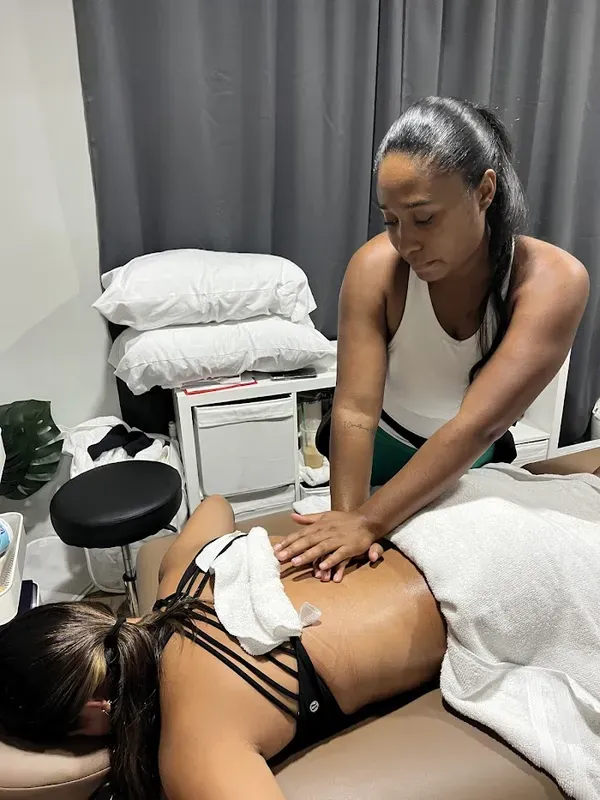
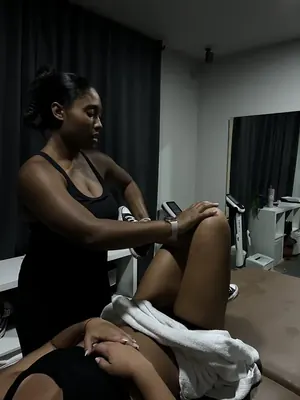
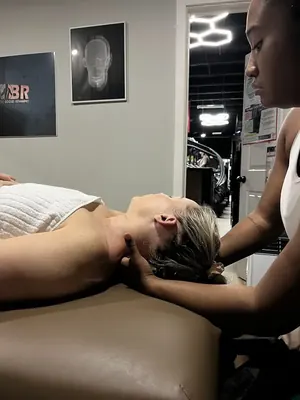
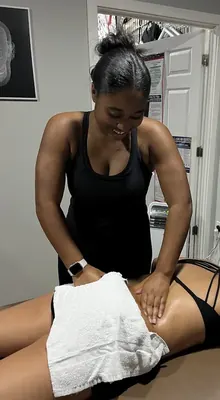
Many massage therapy and sports medicine guides suggest keeping massage light in the first hours after a hard event. A Massage Therapy Journal article from AMTA describes post-event sessions of 10 to 20 minutes soon after activity. It quotes a sports massage therapist saying that right after an event is never the time for anything deep or intense.
Many guides also suggest waiting a day or more after a very hard effort before deeper work. The same article notes that some athletes wait up to two days. A Yale Medicine orthopaedic sports surgeon suggests waiting a couple of days after a marathon before a sports massage. Yale Medicine lists gentle massage or stretching offered at some marathon events as possibly beneficial.
The research is mixed. In a small 2004 study of 12 half marathon runners, massage on days 1, 4, 8 and 11 did not change measured strength, swelling or soreness recovery. Seven of the 12 said the massaged leg felt better. This tool makes no claim that massage speeds recovery.
These sources cover long, hard events. They give no wait time after an easy effort. Ask a licensed massage therapist about timing, and share the event date, your effort and any sore spots. The Massage Readiness Checklist helps with that conversation.
What the Sources Say by Event Length
- Marathon. Many experts advise 5 to 7 days off from running (Yale Medicine). Mayo Clinic Orthopedics and Sports Medicine describes a one- to two-week break as beneficial, with low-impact activity in between and an easier restart.
- Half marathon. One sports medicine physician suggests 3 to 5 days of complete rest, then 20 to 30 minutes of light cardio 2 or 3 times in the first week, and 6 to 8 weeks before another long race. The same page says no rest guideline is scientifically verified.
- 5K, 10K, tournaments, single games, cheer, hikes and group fitness. No source gives a day count. The longer the effort, the longer the rest. A Cleveland Clinic athletic trainer calls active rest after intense exercise critical. A Yale Medicine physician says to back off if a workout takes extra days to recover from.
When pain settles in one spot, is severe or is getting worse, one physician suggests seeing a sports medicine physician sooner. Pain that has not gone away after 7 to 10 days is also a reason to be seen. Mayo Clinic adds joint pain or swelling that is not improving, a limp, or a feeling of instability.
Food, Fluids and the First Hours
- Eat and drink within 2 hours of finishing, as NATA recommends. After a marathon, Hospital for Special Surgery says to eat within 30 minutes. With under 4 hours before the next session, NATA describes replacing 100% to 150% of the weight lost as fluid. The Sweat Rate calculator shows how to measure that loss.
- After a run or hike, keep walking. The Boston Athletic Association links stopping suddenly with nausea, dizziness and weakness, and tells runners who feel unwell to ask medical staff for help.
- Limit alcohol. Hospital for Special Surgery notes it dehydrates further, and NATA discourages drinks above 4% alcohol for fluid replacement.
Use Add to Calendar to get one all-day reminder per day. Use Print Plan for a dated sheet with a branded footer. The page is a free reference: bookmark it and come back after your next event.
Sources and Methodology
- NATA Position Statement: Fluid Replacement for the Physically Active (Journal of Athletic Training, 2017) — refuel within 2 hours; replace 100% to 150% of weight lost when the next session is under 4 hours away; alcohol above 4% is discouraged for fluid replacement
- Boston Athletic Association: Info for Athletes (Medical, After Crossing the Finish) — keep walking after finishing; ask medical personnel for help if unwell
- Road Runners Club of America: For Runners — rehydrate and eat energy-rich food such as fruit within 30 to 60 minutes after a run
- Mayo Clinic Orthopedics and Sports Medicine: Tips for Marathon Recovery (October 25, 2021) — one- to two-week break from running after a marathon, low-impact options, easier restart, joint pain or swelling that does not improve
- Yale Medicine: 10 Ways to Recover From a Marathon — 5 to 7 days off running, low-impact cross-training, very easy first runs, waiting a couple of days for a sports massage, backing off when workouts drag recovery out
- Hospital for Special Surgery: A Guide to Post-Marathon Recovery — keep walking, eat within 30 minutes, dry clothes, limit alcohol, blister care
- University of Michigan Health-West: Post-Race Recovery, What to Do Next (sports medicine physician) — half marathon rest and light cardio, soreness timeline, when pain needs a physician, no verified rest guideline
- Cleveland Clinic: A Post-Workout Recovery Plan for Healthy Muscle Growth (athletic trainer interview, 2022) — 5 to 10 minute cool-down with stretching; active rest after intense exercise
- CDC: About Sleep — recommended sleep hours by age group
- AASM and Sleep Research Society: Recommended Amount of Sleep for a Healthy Adult (Journal of Clinical Sleep Medicine, 2015) — 7 or more hours a night for adults
- AASM: Recommended Amount of Sleep for Pediatric Populations (Journal of Clinical Sleep Medicine, 2016) — 9 to 12 hours for ages 6 to 12; 8 to 10 hours for ages 13 to 18; endorsed by the American Academy of Pediatrics
- Massage Therapy Journal (AMTA): Post-Event Sports Massage (November 1, 2020) — session length soon after an event, light work, waiting up to two days
- Dawson, Dawson and Tiidus: Evaluating the Influence of Massage on Leg Strength, Swelling, and Pain Following a Half-Marathon (Journal of Sports Science and Medicine, 2004) — small trial of 12 runners; no difference in measured recovery
Questions About This Tool
Does This Plan Speed Up Recovery?
No claim of that kind is made. Each item repeats what a named source says about food, fluids, movement, sleep or when to see a professional. Recovery time differs from person to person.
What Does Depends on Distance Mean?
The advice in that item changes with event length. A marathon item does not apply to a 5K, and some sources give no day count for shorter events. Those items carry the tag so you know to check your own event.
Why Is There No Day Count for a 5K or a Single Game?
No source gives one. The University of Michigan Health-West physician writes that no rest guideline is scientifically verified and that longer races need longer rest. The plan says so instead of inventing a number.
Is My Plan Saved Anywhere?
Only in your own browser, on your device. Nothing is sent to a server. Press Clear Saved Plan to remove your entries and ticks.
When Is It Time to Call a Doctor?
Use the Soreness or Red Flag guide for warning signs. Get medical care for chest pain, fainting, trouble breathing, sudden severe pain, numbness or weakness, or any symptom that worries you.
Want Hands-On Help With Sports Massage?
Maya Sharpe, LMT, 220 Thunderbird Dr, Richmond Hill, GA. Monday to Friday 9 AM to 8 PM, Saturday 9 AM to 1 PM, Eastern Time.