Call or text (408) 561-8431 Book Your Session

Free Tool — Massage Readiness

Postpone Your Massage or Book It? Checklist and Pressure Scale

Tick what applies today and get a color-coded answer: postpone, tell your therapist, or fine to book. Then print a pocket pressure scale card for any appointment.

  • Free
  • No Sign-Up
  • Printable

Start Here

Updated October 24, 2026 · Free to use · Bookmark it

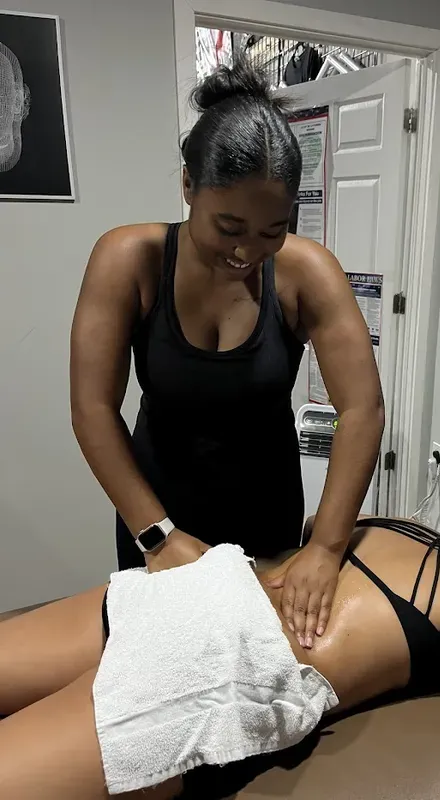
Maya Sharpe smiling as she massages a client's lower back

Check Before You Book

Tick every item that applies to you today. Then press Check My Answers. The most serious group you tick sets the result.

Group 1 Postpone for These
Group 2 Tell Your Therapist About These
Group 3 Ordinary Soreness or Stress
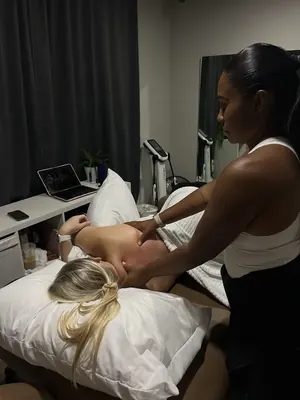
Maya Sharpe massaging a client's back with both hands
Tell your therapist what you ticked before the session starts.

How to Read Your Result

Three results, each with a color and a word. The color is never the only signal.

Stop

Postpone and Talk to a Doctor First

You ticked something from Group 1. These items are reasons to reschedule: a fever, a contagious illness, a skin irritation where the work happens, a swollen or painful calf or leg, chest pain or shortness of breath, an injury or surgery in the last 48 hours, or severe pain you cannot explain.

Tell your therapist you are postponing and talk to a doctor about anything that worries you. For chest pain, shortness of breath or a sudden severe headache, call 911.
Caution

Tell Your Therapist Before You Start

You ticked something from Group 2. Therapists adjust pressure or technique for many of these items, and they do that only when they know.

Cleveland Clinic lists blood thinners, leg blood clots, tumors, osteoporosis and implanted or attached medical devices as reasons to speak with a provider before massage. The checker flags those items for a doctor visit as well.

Do not change any medicine because of this checklist. Questions about medicine go to your doctor or pharmacist.

Go

Ordinary Soreness or Stress: Fine to Book

Nothing on the postpone or tell-your-therapist lists applies. Book your massage and mention anything that changes before the session starts.

This result is general information. It is not a diagnosis or a medical clearance.

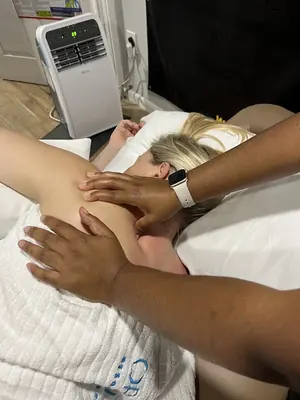
Close-up of Maya Sharpe's hands working a client's neck and shoulder
A health history conversation comes first at a massage appointment, according to AMTA.

Pressure Scale Card

Print this card, fold it into a wallet or phone case, and hold it up at any appointment. Pressure feels different to every body. Numbers and plain phrases make it easy to say what you feel.

My Massage Pressure Scale

Pressure scale from 1 to 10 Numbers 1 to 3 are light, 4 to 6 are medium, 7 and 8 are firm, 9 and 10 are deep. 123 456 78 910 LightMediumFirmDeep 1 to 34 to 67 and 89 and 10
  • Light: 1 to 3
  • Medium: 4 to 6
  • Firm: 7 and 8
  • Deep: 9 and 10

A plain-language scale for talking, not a clinical measure. Say a number, then adjust.

Phrases to Use With Any Therapist

  • “A little lighter, please.”
  • “A little more pressure, please.”
  • “Stay on that spot.”
  • “That is the right pressure.”
  • “Please skip this area.”
  • “Please slow down.”
  • “Right now this is a 7. Please go to a 5.”
  • “I need a break.”
  • “Please stop.”

The Rule

At most, massage feels like a good hurt. If anything feels painful in a bad way, say so right away. You are in charge: ask for a change or a pause at any time, and say stop whenever you want.

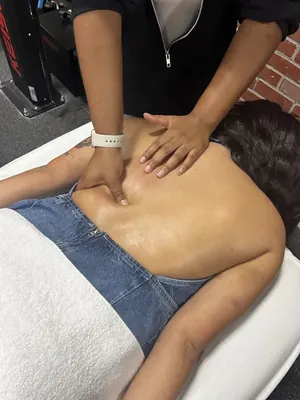
Maya Sharpe working on a client's shoulder and upper back in her studio
Pressure is easier to adjust when you say a number early in the session.

Why These Questions

AMTA says a therapist asks about your health, medications and areas of pain before a session. The University of Minnesota adds that massage affects body systems such as the cardiovascular and nervous systems, which is why honest answers matter.

NCCIH, part of the National Institutes of Health, says the risk of harm from massage appears low. It also reports rare cases of serious side effects, such as a blood clot, nerve injury or bone fracture. NCCIH adds that massage does not replace seeing a provider about a medical problem.

Postpone when you tick Group 1. Speak up when you tick Group 2. Book when nothing applies. A short checklist is no substitute for a doctor, and it never replaces the intake form your therapist gives you.

Tips for Your Visit

  • Bring a list of your medicines and supplements, including over-the-counter ones. AMTA treats a thorough intake as a necessary part of any session.
  • Tell your therapist about oil or lotion allergies before the session. AMTA asks for this in advance.
  • Ask which techniques your therapist plans to use and what the work will feel like. Cleveland Clinic suggests asking before treatment starts.
  • Soreness after a massage usually lasts a few hours to about a day and a half, according to Cleveland Clinic. Intense soreness that lasts longer than a couple of days is a reason to see a provider.
  • Skip a hard workout right after a deep session. Cleveland Clinic says now is not the time to jump into an intense workout.

Open the Soreness or Red Flag guide if your soreness feels different from ordinary.

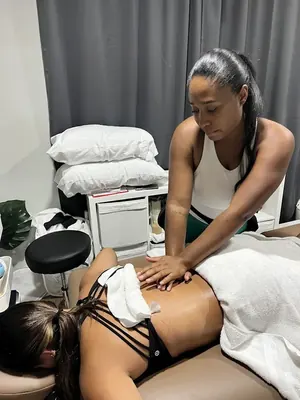
Maya Sharpe massaging a client's lower back in the treatment room
Pressure on the lower back is a good moment to call out a number.
Where Each Checklist Item Comes From

Group 1: Postpone

  • Fever, or feeling feverish. University of Minnesota Bakken Center (reschedule for a fever); CDC Precautions When Sick (fever-free for at least 24 hours)
  • A contagious illness, such as flu or COVID-like symptoms. ABMP, Ruth Werner (acute, contagious infections); CDC Precautions When Sick (stay home with symptoms)
  • Vomiting or diarrhea now or in the last 2 days. CDC Norovirus Prevention (wait at least 2 days after symptoms stop)
  • Sunburn, rash or another skin irritation in the area to be worked. University of Minnesota Bakken Center (reschedule for skin irritation such as sunburn or poison ivy)
  • Swelling, warmth, redness or pain in one calf, leg or arm. CDC Blood Clots; MedlinePlus Deep Vein Thrombosis; MedlinePlus Muscle Aches (swelling or redness around a tender muscle)
  • Chest pain, shortness of breath or a sudden severe headache. CDC Heart Attack Symptoms; CDC Signs and Symptoms of Stroke
  • An injury or surgery in the last 48 hours. Cleveland Clinic Massage Therapy (acute injury or surgery within 48 hours); NHS Sprains and Strains (avoid massage for the first couple of days)
  • Severe pain you cannot explain. MedlinePlus Muscle Aches (severe, unexplained pain: contact a provider)

Group 2: Tell Your Therapist

  • Pregnancy (ask your OB provider first if the pregnancy is high-risk). Cleveland Clinic Massage Therapy; AMTA Massage and Pregnancy (pre-eclampsia and placenta problems: doctor's permission)
  • Blood thinners (anticoagulants) or other medicine that affects bruising or bleeding. AMTA Massage and Medication; Cleveland Clinic Massage Therapy
  • Easy bruising, or a bleeding disorder. AMTA Massage and Medication (bruising); Cleveland Clinic Massage Therapy (bleeding disorders)
  • Blood clots in the legs in the past (deep vein thrombosis). Cleveland Clinic Massage Therapy
  • Osteoporosis or fragile bones. Cleveland Clinic Massage Therapy (fracture risk)
  • Cancer or tumors, including during cancer care. NCCIH (techniques are modified for people with cancer); Cleveland Clinic Massage Therapy (tumors)
  • Diabetes. AMTA Massage and Medication
  • High or low blood pressure, or blood pressure medicine. AMTA Massage and Medication; University of Minnesota Bakken Center (massage enhances or reduces the effect of some medicines)
  • A heart or circulation condition. University of Minnesota Bakken Center (massage affects the cardiovascular system); MedlinePlus Muscle Aches (poor circulation)
  • Numbness or tingling. AMTA Massage and Medication (avoid deep tissue work with numbness or tingling)
  • Allergy to massage oils, lotions or other skin products. AMTA What to Expect at Your Massage Session
  • A medical device implanted in or attached to your body. Cleveland Clinic Massage Therapy
  • A condition that makes the skin weak or fragile. Cleveland Clinic Therapeutic Massage article
  • Taking pain medicine. AMTA Massage and Medication (pain medicine interferes with feedback about pressure)
  • Any other condition a doctor monitors, or any other medicine or supplement. University of Minnesota Bakken Center; AMTA What to Expect at Your Massage Session

Items without a named source in these guides are left out on purpose. Recent tattoos or piercings, recent vaccinations, a recent concussion and alcohol or drug use are common intake topics. They are not listed here because no medical or massage body page opened for this tool states a rule for them. Tell your therapist about them anyway.

How We Built This

Sources and Methodology

Last updated October 24, 2026.

Educational Information Only. This tool gives general information for healthy adults and does not diagnose, treat or replace advice from a doctor, physical therapist or other licensed health professional. Stop and get medical care for chest pain, fainting, trouble breathing, sudden severe pain, numbness or weakness, or any symptom that worries you. A massage therapist does not diagnose medical conditions.

Questions About This Tool

Is This Checklist a Medical Clearance?

No. It sorts common reasons to postpone, to speak up or to book. It does not diagnose anything and does not replace a doctor. When an item worries you, ask your doctor.

What If I Tick Items From More Than One Group?

The most serious group wins. One item from Group 1 gives the postpone result, even if you also tick items from Group 2.

Does the Page Save My Answers?

No. Nothing leaves your device and nothing is stored. Reload the page or press Clear My Answers and the checklist is empty again.

Why Does the Pressure Scale Have Four Names?

Light, medium, firm and deep give you plain words to pair with a number. The scale is a way to talk, not a clinical measure, and each therapist reads the words a little differently.

Want Hands-On Help With Massage Therapy?

Maya Sharpe, LMT, 220 Thunderbird Dr, Richmond Hill, GA. Monday to Friday 9 AM to 8 PM, Saturday 9 AM to 1 PM, Eastern Time.

See massage therapy details